Advocacy
and Policy Institute

National Black Worker Center Policy & Advocacy Institute
Build Leadership•Advance Justice•Empower Black Workers
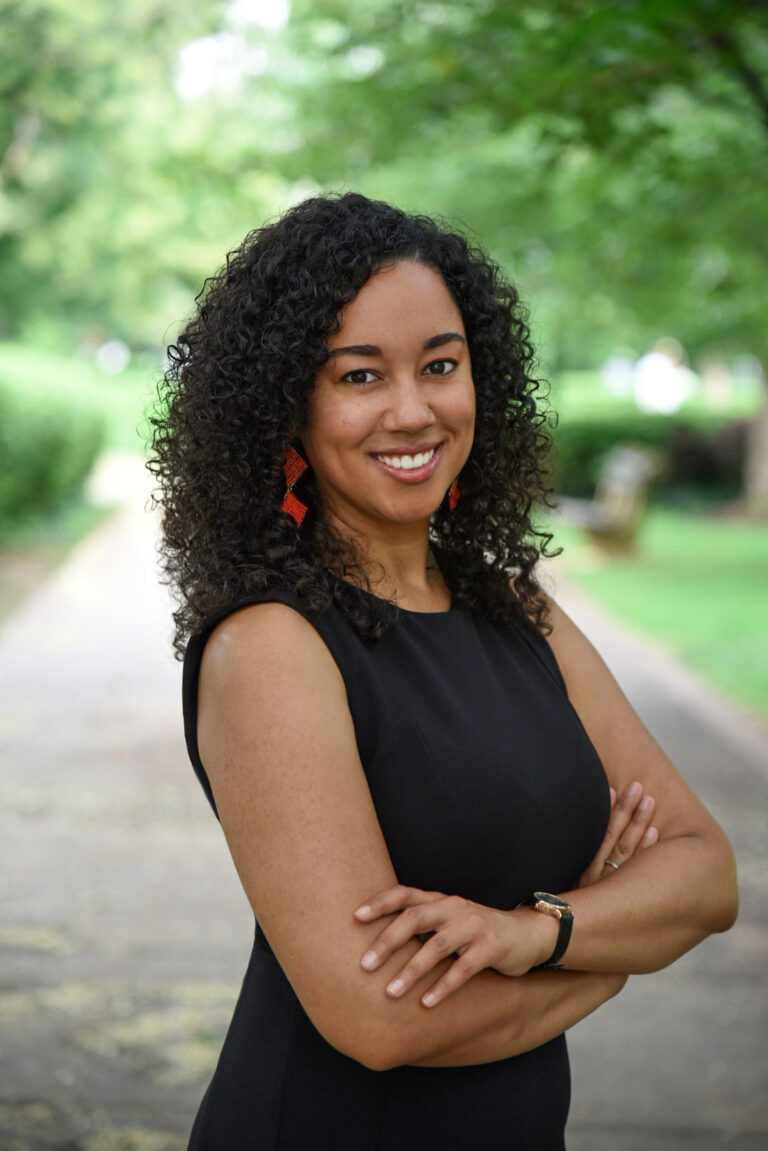
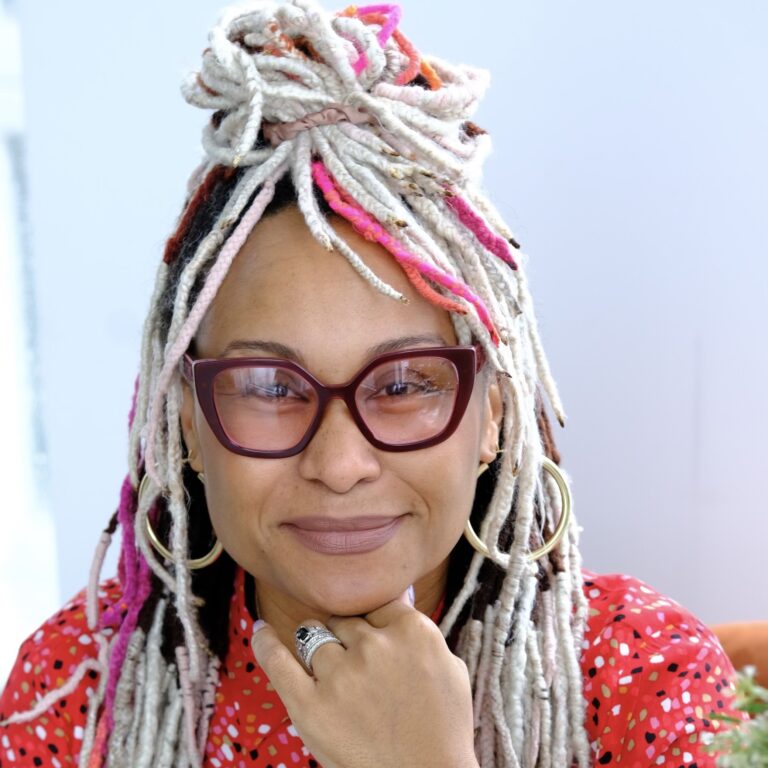
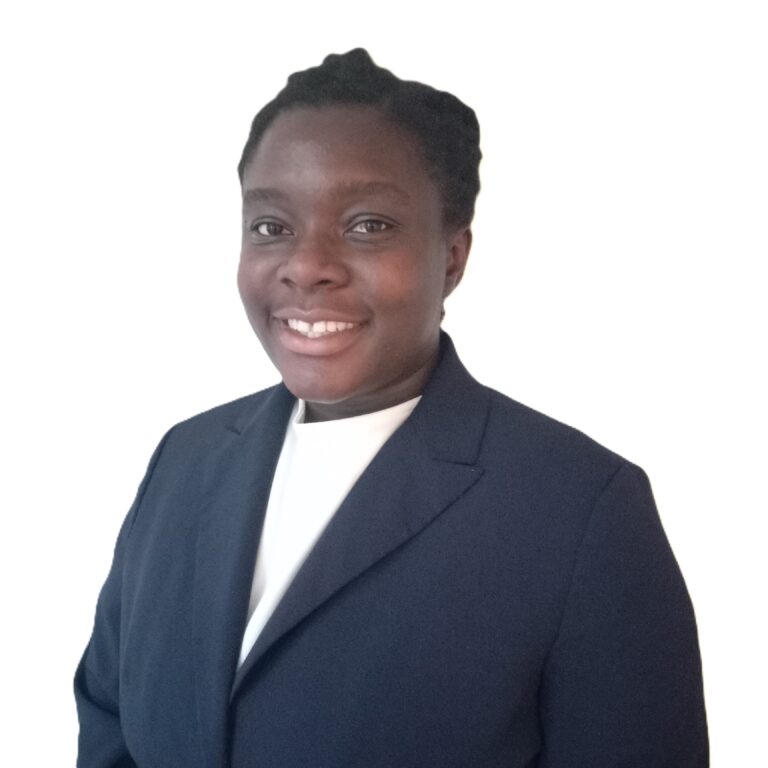
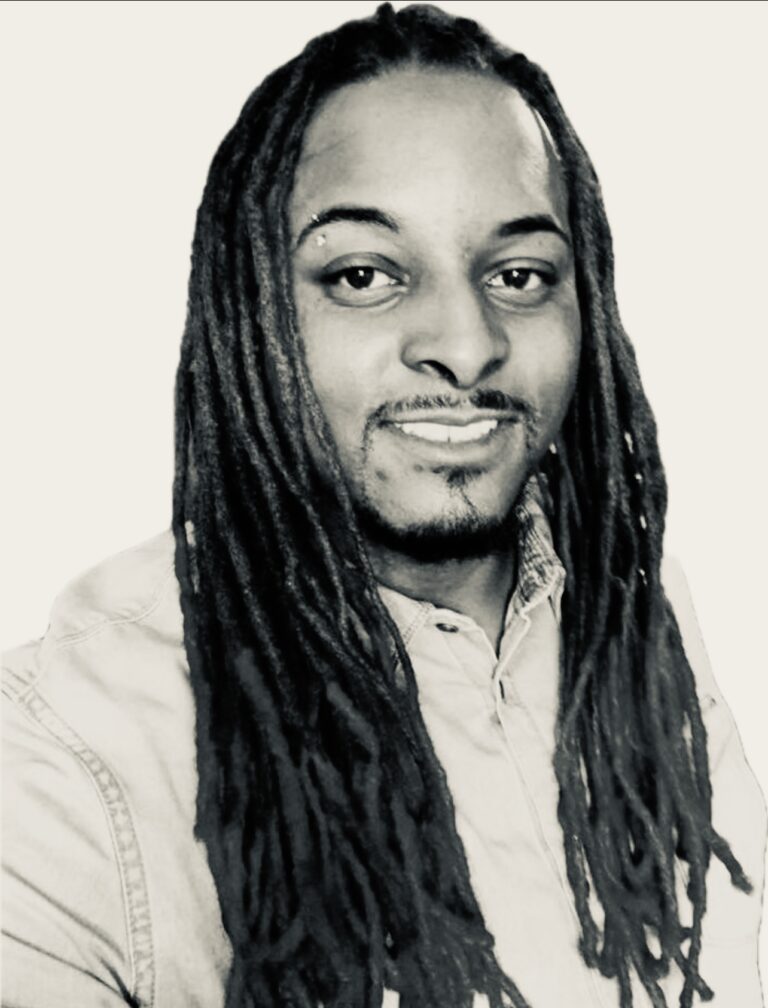
NBWC proudly introduces the 2026 inaugural cohort of our Policy and Advocacy Institute. Selected from a highly competitive pool of leaders across disciplines and communities, this fellowship cohort represents the bold future of Black policy leadership. Each fellow brings a powerful combination of lived experience, technical expertise, and a deep commitment to community-rooted solutions. Together, they reflect the National Black Worker Center’s belief that those most impacted by policy must be at the forefront of designing it.
Meet the 2026 Inaugural Cohort
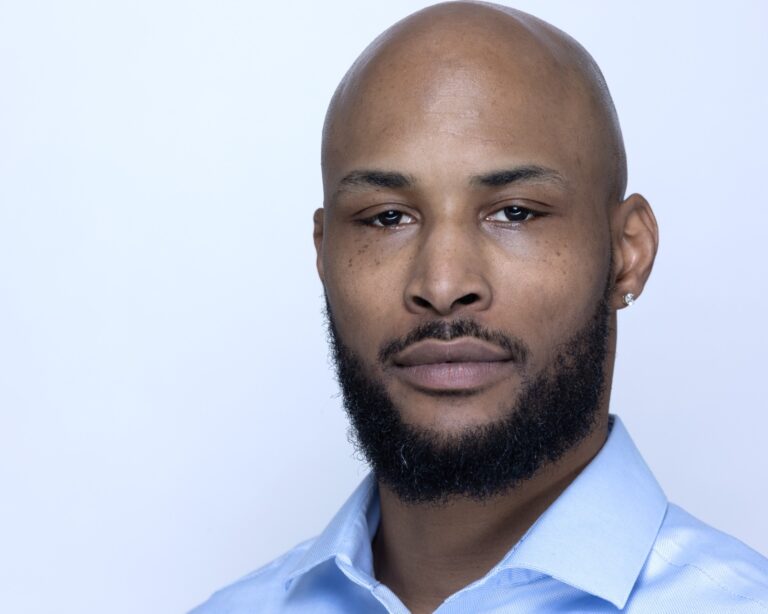
Brandon Jessup
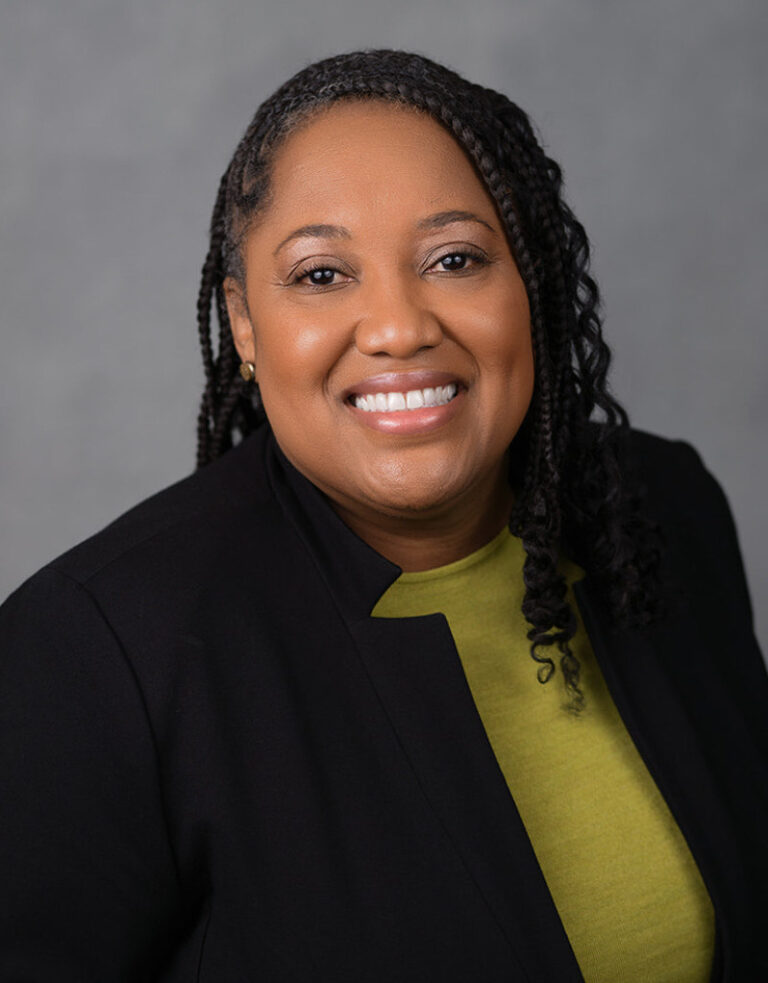
Brandon Alexis Jessup brings over fifteen years of experience developing data and intelligence systems for businesses, specifically non-profit and civic organizations. His knowledge of business operations and information systems has served as a keystone in state and national progressive campaigns that expand rights and access for Black, Indigenous, and People of Color. This includes building and managing two statewide ballot initiatives to protect and expand democracy.
He is an entrepreneur who founded Michigan Forward in 2008, a Detroit-based, minority-owned non-profit consulting firm specializing in project management and data science. Brandon also supports Sampson Organics, LLC, a for-profit horticultural company providing farm-fresh produce and vegetables through community gardening and generational traditions.
Brandon earned his BA in Computer Information Systems at Eastern Michigan University. Born in New Orleans, Louisiana, he was raised in Detroit, Michigan, and is the father of two children. He calls the Motor City home, and enjoys American automobiles, gardening, and spending quality time with his family.
Cassandra Loftin
Cassandra Loftlin is a dedicated community advocate driving change at the intersection of environmental justice, health equity, and food sovereignty. As the Healthy Communities Coordinator with Savannah Riverkeeper, Cassandra champions community-led initiatives designed to mitigate environmental health risks and bolster neighborhood resilience. Her advocacy is deeply rooted in the belief that a safe environment is a fundamental right for all working families.
Simultaneously, Cassandra is reshaping the local economic landscape as the Co-Founder of Goodness Gracious Grocery in Augusta, Georgia. This cooperative food access initiative prioritizes community ownership and economic fairness, directly addressing systemic disparities in food security.
Cassandra's approach is defined by participatory strategies that elevate lived experiences and foster robust civic engagement. By bridging the gap between local struggles and broader systems change, she empowers communities to advocate for their own well-being. Drawing on a multidisciplinary background in culinary education and community storytelling, Cassandra develops innovative strategies that support working people, protect public health, and advance economic democracy.
Danielle Crooks
Danielle E. Crooks is a dedicated labor rights advocate with extensive experience advancing workers' protections worldwide. As a Labor Advisor for Trade Policy at the U.S. Department of Labor, she managed bilateral relations and monitored compliance with labor provisions in trade agreements.
Previously, as a Program Manager for the DOL and World Vision, Danielle directed multimillion-dollar grant-funded projects across Latin America, Southeast Asia, and Africa. She pioneered DOL's first initiative explicitly centering people of African descent, Garifuna communities, and Indigenous populations in Central America, addressing child labor, forced labor, and exploitative working conditions affecting these marginalized groups.
Committed to grassroots organizing, Danielle served on the And Campaign DC leadership team, recruiting and mobilizing community members while partnering with churches and civil society organizations to promote civic engagement.
Now based in New York, Danielle seeks to continue her advocacy work and promote workers' rights in her new community. She holds dual master's degrees in Public Administration and International Relations from Seton Hall University and a BA in Politics from Messiah University. Danielle enjoys cycling, honoring her Jamaican heritage, and exploring diverse cuisines that reflect the working-class communities she champions.
Erin Maybin
Erin H. Maybin is a licensed Beauty Professional, Educator, and Subject Matter Expert (SME) who works at the intersection of beauty policy, clinical health, and education to highlight the natural hair care practitioner as an essential force in the modern economy.
As the Co-founder and Vice President of the Natural Hairstyle and Braid Coalition, Inc. (NHBC) and a member of the New York State Appearance Enhancement Advisory Committee, Erin positions herself in spaces where Black voices have historically been absent to ensure our community's needs are represented and professional standards are modernized.
A key driver in the expansion of accredited schools and testing sites, Erin further extends her impact by serving on various boards focused on natural hair and cosmetology standards. Currently pursuing a BAS in Applied Leadership at Arizona State University, she advocates to legitimize natural hair care as a lucrative career path worthy of greater recognition.
Correlating art and science, Erin bridges the gap between hair and health to ensure the profession is viewed through a lens of both wellness and economic power. Through her ongoing commitment to elevate the workforce, Erin actively advocates for the legislative support and recognition that natural hair care professionals need to thrive in the multi-billion-dollar beauty industry.
Funanya Ikechukwu
Funanya Ikechukwu is a 2025 UCR graduate with a background in community health and student leadership. Driven by a commitment to understanding and addressing health inequities in the Black community, she focuses on the intersection of institutional resource management and community-based wellness.
During her undergraduate career, Funanya served in leadership roles as the President and Vice President of the Student Services Fee Advisory Committee. This experience provided a foundational look at fiscal governance and the complexities of equitable resource distribution. By managing student-led budgetary deliberations, she developed a keen interest in how high-level administrative decisions impact diverse populations.
To better understand the practical challenges of healthcare access, she became a community health volunteer, conducting blood pressure screenings and providing health education at historically Black churches. Her perspective is informed by multiple years of service as a hospital volunteer, during which she observed direct interactions between patients and the medical system.
Now entering the National Black Worker Center's Policy and Advocacy Institute, Funanya is eager to translate these frontline observations into a deeper understanding of policy frameworks. She is dedicated to learning how to leverage legislative and structural changes to create more accessible, equitable healthcare outcomes for all.
Jaida Jenkins
Jaida is a movement strategist and organizer with ten years of experience advancing racial, economic, and worker justice. A deep commitment to the liberation and well-being of Black communities guides her. Her work is rooted in the belief that those most impacted by injustice must be at the center of decision-making, strategy, and leadership, not as symbols, but as architects of change.
Throughout her career, she has successfully scaled national programs, strengthened organizational infrastructure, and built durable coalitions across labor unions, grassroots organizations, HBCUs, community leaders, and advocacy networks. Whether building coalitions across labor unions and grassroots organizations, educating policymakers, or designing political education spaces, Jaida prioritizes clarity, stakeholder voices, and creating community.
A central throughline of her work is developing the next generation of Black leaders. Through mentorship, curriculum development, and culturally responsive political education, she has supported young people in understanding how race, labor, and democracy intersect in their lives and communities.
Jaida is motivated by a responsibility to give back, to challenge systems that harm Black people, and to help build movements that are accountable, intergenerational, and rooted in dignity, care, and collective power.
Julienne Louis-Anderson
Julienne Louis-Anderson is an educator, policy strategist, and systems leader advancing racial and economic justice across criminal justice, education, and non-profit sectors. She currently serves as Strategic Initiatives and Grants Manager for the Orleans Parish Sheriff's Office, where she oversees more than $8 million in community-based investments that support reentry, family reunification, victim services, and public safety, work that directly impacts Black workers and their families.
Julienne began her career as a classroom teacher and instructional coach, where she witnessed how labor inequities, incarceration, and under-resourced systems limit economic mobility for Black communities. She brings both lived experience and policy expertise to her work, translating community needs into sustainable funding, institutional accountability, and systems change.
Julienne's academic training at Howard University and Xavier University of Louisiana shaped her equity-centered, asset-based approach to leadership, coalition-building, and advocacy. Across roles, she has worked at the intersection of public institutions and grassroots partners to advance policies rooted in dignity, access, and power.
She lives in New Orleans with her husband, Ross, and their daughter, Janelle. Julienne's commitment to worker justice is profoundly personal and multigenerational, grounded in a belief that Black workers deserve not only protection, but power.
Keziah Gragg
Keziah is a graduate student in Global Studies and International Relations at Northeastern University, with a concentration in diplomacy. She earned her Bachelor's in Animal Industry Management from Illinois State University, where she developed a strong interest in how public policy shapes the lives of working families, rural communities, and frontline populations.
Her experience spans legislative, advocacy, and constituent service roles, including internships with Common Cause Illinois, the Illinois Guardianship and Advocacy Commission, and with U.S. Representative Nikki Budzinski's Congressional District Office. Keziah has supported policy research, casework, and constituent outreach, helping connect individuals to critical public resources.
She has also traveled to the United States Capitol to advocate directly with lawmakers on behalf of military families, strengthening her commitment to worker protections, economic stability, and equitable access to services.
Keziah plans to pursue a career in law and policy advocacy, using research, storytelling, and coalition-building to advance worker-centered solutions, and is excited to contribute to the National Black Worker Center's Policy and Advocacy Institute.
Kwame Acheampong
Kwame Acheampong is a labor organizer with the Philly Black Worker Project, which advocates for contingent and formerly incarcerated workers.
Before joining the project, Kwame spent over a decade as a contingent worker in the temp staffing industry, holding both blue- and white-collar roles across various sectors. Throughout these experiences, they consistently encountered systemic inequities: unequal pay and benefits for equal work, exploitation of formerly incarcerated workers, and barriers to permanent employment for contingent workers.
These firsthand experiences now drive Kwame's organizing, as they work toward a future where all workers are treated with dignity and respect.
Leila Lewis
Leila D. Lewis is a nationally recognized strategist, creative entrepreneur, and maternal health advocate whose work bridges public health, community organizing, and family wellness. With nearly two decades of experience advancing community-rooted solutions, Leila specializes in holistic workforce development and designing equity-centered frameworks grounded in lived experience.
Her leadership in statewide convenings, learning collaboratives, and collective impact initiatives has shaped how state-level public health agencies approach community engagement, shared power, and systems alignment. She has collaborated with national organizations, including the National Committee for Quality Assurance (NCQA) and NIH's Community Engagement Alliance, contributing to equity-centered research.
As Founder and Creative Director of Thriving Birthworkers of North Carolina, Leila leads a justice-oriented workforce development model that integrates economic sustainability, professional support, and coalition-based advocacy. Her work strengthens the maternal health ecosystem by cultivating cross-sector partnerships that reduce burnout, improve retention, and expand leadership pathways for birthworkers across the state.
A cherished wife and homeschooling mother of four boys, Leila embodies the leadership and community care essential to collective wholeness.
Melchezedek (Mel) Green
Raised in Atlanta, Georgia, Melchezedek is deeply rooted in Southern Black communities and traditions that have shaped a lifelong commitment to collective care, cultural pride, and service. Growing up, he cultivated a passion for advocacy, social justice, and building spaces where Black workers, families, and communities felt seen, supported, and empowered. This commitment led them to social work as both a profession and practice grounded in solidarity, action, and systemic change.
Melchezedek earned a Bachelor of Social Work from Fort Valley State University, where they developed a strong foundation in community engagement, outreach, and worker- and student-centered support. During their undergraduate studies, they gained hands-on experience collaborating with youth, families, and community-based organizations, further deepening their understanding of structural inequities and the importance of organizing for economic and social justice.
Currently, Melchezedek is an Advanced Standing Master of Social Work Scholar at the University of Houston. Their professional interests align closely with the mission of the National Black Workers Center and include community-based practice, worker empowerment, and advancing equitable access to mental health, labor resources, and social services.
Melchezedek is committed to using social work as a tool for liberation, healing, and sustainable change in Black and historically marginalized communities.
Terry Rogers II
Terry Rogers II is a Mississippi-born organizer and activist from a rural community (Quitman, MS) with only two stop lights in the entire county. He is the founder of the Student Coordinating Initiative Justice Team and a student at Tougaloo College. Terry is the 93rd Student Government Association Vice President, where he works to amplify student voices and expand access to opportunity.
At just 18 years old, he made history as the youngest person ever to run for statewide office in Mississippi, driven by a deep commitment to justice and service. After losing his father to COVID-19, his dedication to public leadership and community advocacy strengthened, grounding his work in faith, resilience, and grassroots action.
Zheniah Houston
Zheniah Houston is a Los Angeles-based community organizer, strategist, and entrepreneur committed to building Black worker power and advancing racial and economic justice. She currently serves in a leadership role at the Los Angeles Black Worker Center, where she supports member leadership development, political education, and campaigns focused on workforce equity, public sector access, and ending the Black jobs crisis.
Zheniah is the author of the upcoming Digital Organizing Training & Workbook, designed to help grassroots organizations turn online engagement into real-world power. Her work bridges organizing, communications, and political strategy, with a focus on creating accessible tools that strengthen movements and build sustainable leadership pipelines.
She is currently pursuing an MA in Public Policy, deepening her commitment to policy-driven solutions rooted in community needs. Zheniah's long-term vision is to support Black communities in leading political decision-making, shaping equitable policy, and advancing reparative justice at the local and national level.
- Duration: February – November 2026
- Schedule: Classes Tuesdays & Thursdays, 7:30–9:30 PM EST
- Field Visits: Three 5-day visits (Minneapolis, Philadelphia, New Orleans)
- Cost: Free to attend; stipends provided, plus childcare and other accommodations
The program blends policy education, campaign strategy, leadership training, and storytelling with real-world practice, empowering participants to influence systems and lead campaigns for justice.
This Institute is designed for:
- Black worker leaders
- Community organizers
- Emerging advocates committed to racial and economic justice
Participants will emerge ready to lead initiatives addressing critical policy issues impacting Black communities.
Black workers are central to the U.S. economy but remain systematically excluded from decision-making and denied full labor protections. The Institute transforms leaders into policy advocates who shape public debate, lead campaigns, and create systemic change for Black workers nationwide.
Applications are now open!
The application includes:
- Personal Information: Demographics, contact info, pronouns, LGBTQI identity
- Motivation & Experience: Short answers or video responses (min 250 words / 2 minutes)
- Why you want to join the Institute
- Key issues you want to address in your community
Your experience with social and economic justice activism
- Participation & Accessibility: Commitment to class schedule and field visits, plus accommodations
Field Visit Dates (all travel covered):
- Minneapolis: Feb 9–13, 2026 (Course Kickoff)
- Philadelphia: May 18–22, 2026
- New Orleans: July 27–31, 2026
Applications are due by November 28, 2025. Apply today to amplify your leadership and impact. Questions? Contact us at admin@NBWC.org.